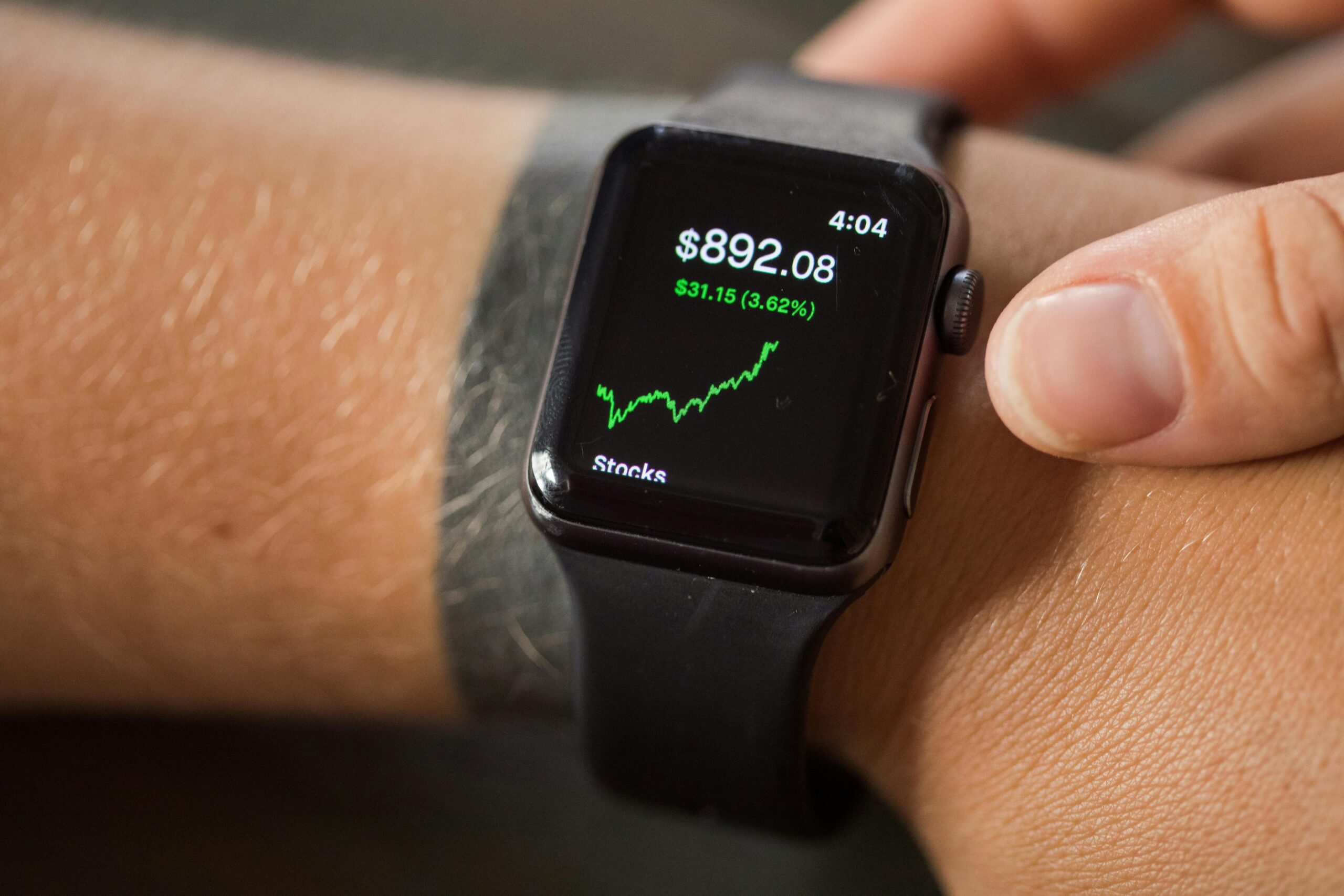
In the pursuit of well-being, we have long treated our physical and financial health as separate domains, managed by different apps, advisors, and anxieties. But a paradigm shift is underway. By 2026, the most forward-thinking individuals are no longer just tracking steps or stock portfolios in isolation. They are leveraging a powerful convergence: the seamless integration of financial wellness platforms with personal health technology. This synergy is creating a holistic feedback loop where your biometric data doesn’t just inform your workouts—it actively optimizes your capital allocation, leading to more profound, behavior-driven savings. The era of the holistic ledger has arrived, and it rewards those who understand that the body’s metrics and the bank’s statements are two readings of the same life.

The Convergence of Wealth and Wellness
The foundational principle is behavioral economics, supercharged by real-time physiological data. Traditional budgeting apps react to your spending. The new generation of integrated platforms anticipates it by understanding your state. Stress levels measured by your smart ring, sleep quality tracked by your mattress pad, and even workout intensity from your fitness tracker are becoming legitimate data points for financial algorithms. This isn’t about surveillance; it’s about context. A spike in cortisol or a night of poor sleep can correlate with impulsive spending or a lapse in subscription cancellations. By recognizing these patterns, these apps move from being passive ledgers to active wellness partners, intervening not with a scolding, but with a strategically timed nudge toward healthier decisions—for both your heart rate and your net worth.
What to Look for in an Integrated Financial Wellness Platform
Not all integrations are created equal. As you evaluate options, prioritize platforms that offer more than a superficial connection. Seek out true two-way data synchronization, where financial triggers can prompt wellness actions and vice-versa. Robust privacy and data anonymization protocols are non-negotiable; understand exactly how your sensitive health data is used and protected. The best services provide actionable, contextual insights, not just more charts. Finally, look for evidence-based behavioral coaching modules that use your combined data to suggest micro-habits with macro financial impacts.
5 Premier Financial Wellness Apps for the Integrated Life (2026)
1. VitalLedger: The Neurofinance Pioneer
VitalLedger has emerged as the leader in what it terms “neurofinance.” It goes beyond basic heart rate, forming deep integrations with next-generation wearables like the Muse S (EEG meditation headband) and the Apollo Neuro (wearable stress modulator). The app’s algorithm learns your personal stress-spend triggers. For instance, if your wearable detects a prolonged state of cognitive fatigue, VitalLedger can automatically temporarily hide frictionless spending prompts on your connected devices and suggest a pre-vetted mindfulness exercise instead. Its savings engine rewards physiological milestones: completing a month of consistent sleep above 85% quality might trigger an automated micro-investment into your ESG portfolio. It’s the premier choice for executives and knowledge workers seeking to optimize cognitive capital and financial capital in tandem.
2. Aura Finance: Holistic Lifecycle Planning
Aura takes a macro view, positioning itself as a concierge wealth and health management service. It syncs with comprehensive health ecosystems like Apple Health and Google Fit, aggregating data from your Oura Ring, Withings scale, and Peloton. Aura’s AI doesn’t just track; it projects. By analyzing your fitness trajectory, metabolic age, and family health history (with permission), its algorithms can run sophisticated simulations on your long-term healthcare costs. This allows for unparalleled precision in health savings account (HSA) optimization and insurance planning. Aura might advise reallocating your annual bonus to top up your HSA after noticing a trend of increased active minutes, suggesting you’re investing in a longevity dividend. Their partnered fee-only financial planners are trained to discuss these biophysical reports alongside traditional financial statements.
3. Sparrow: Gamified Wellness Rewards
For those who find traditional budgeting a chore, Sparrow has mastered the art of gamification. It connects directly to your Garmin, Fitbit, or Strava account, transforming physical achievements into financial fuel. Complete a 5K run? Earn “Sparrow Miles” that can be redeemed for direct deposits into your high-yield savings account or as discounts on wellness-branded apparel. Its unique social savings challenges allow you to partner with friends: a combined step goal for the week, if met, unlocks a bonus APY on your savings pods for the following month. Sparrow excels at making the connection between physical effort and financial reward viscerally immediate and fun, answering the search for best apps to save money while getting fit.
4. TerraFolio: The Sustainable Health Investor
TerraFolio caters to the individual whose wellness ethos extends to planetary health. This app integrates your health data with an impact investing platform. Your biometric trends influence your investment strategy. A improving VO2 Max score or a switch to a predominantly plant-based diet, as logged in your MyFitnessPal, can automatically adjust your portfolio’s tilt towards innovative healthcare ETFs or sustainable food technology companies. Furthermore, TerraFolio partners with premium rewards cards that offer triple points on purchases at organic grocers, regenerative farms, and eco-fitness studios, which are then automatically invested into your curated portfolio. Here, personal vitality and portfolio vitality are expressions of the same value set.
5. Buffer: The Cognitive Load Manager
Buffer operates on a simple, powerful premise: mental bandwidth is your most precious resource. It syncs with focus tools like RescueTime and brain-sensing wearables to identify your peak cognitive periods. During these “focus zones,” Buffer automatically deflects financial nuisances—silencing payment app notifications, pausing retail marketing emails, and even blocking access to discretionary shopping sites. Conversely, during detected low-energy periods, it surfaces only critical, pre-approved financial tasks. Its “Auto-Buffer” feature uses small, regular cash reserves from connected accounts to smooth over unexpected, health-related expenses—like a last-minute physio appointment—preventing them from derailing your monthly budget. It’s the ultimate tool for reducing financial decision fatigue.
Implementing Your Integrated System: A Practical Guide
Adopting this integrated approach requires thoughtful setup. Begin by auditing your current health tech stack and financial tools. Choose one primary financial wellness app that aligns with your goals (e.g., VitalLedger for stress-spend management, Aura for long-term planning). Start with a single, permission-based connection—like granting read-access to your sleep data. Monitor the insights for a month without making drastic changes. The goal is to observe patterns, not to immediately overhaul your life. Engage with the behavioral coaching modules offered; these evidence-based prompts are where the real habit formation occurs. Finally, schedule a quarterly “check-in” with your combined dashboard, assessing progress in both your financial and physical key performance indicators.
The Future of the Holistic Self
The integration of financial and health technology is moving beyond novelty to become a cornerstone of sophisticated personal management. As we advance toward 2026, we can expect these platforms to incorporate even more nuanced data—from continuous glucose monitoring to advanced genetic predispositions—all with increasingly sophisticated privacy-preserving techniques. The objective is no longer mere wealth or mere health, but resilience. By allowing these two streams of personal data to inform one another, we empower ourselves to make decisions that are congruent, sustainable, and aligned with a comprehensive vision of well-being. The most astute capital allocation, it turns out, may begin with investing attention in the profound connection between the physical self and the financial self.
Key Takeaways
- Context is King: New financial wellness apps use health data to understand the “why” behind spending and saving patterns, moving beyond simple transaction tracking.
- Two-Way Street: The most effective platforms create a feedback loop where financial goals can motivate healthy behaviors and health achievements can trigger automated financial rewards.
- Privacy Paramount: Always scrutinize data usage policies and opt for platforms that employ anonymization and clear, permission-based access controls for your health information.
- Specialization Exists: Choose an app based on your primary goal, whether it’s stress-spend management (VitalLedger), long-term health-cost planning (Aura), or gamified habit formation (Sparrow).
- The Goal is Resilience: This convergence aims to build systemic personal resilience, where financial and physical well-being reinforce each other against life’s uncertainties.
Photo Credits
Photo by RDNE Stock project on Pexels
- The Quantified Self Revolution: How Personal Health Data is Slashing Costs and Transforming Care in 2026 – 18/03/2026
- The Convergence of Capital and Care: A 2026 Guide to Optimized Health Spending – 18/03/2026
- The Quantified Self-Policy: How Wearable Health Data is Reshaping Insurance Premiums and Coverage in 2026 – 18/03/2026

Leave a Reply