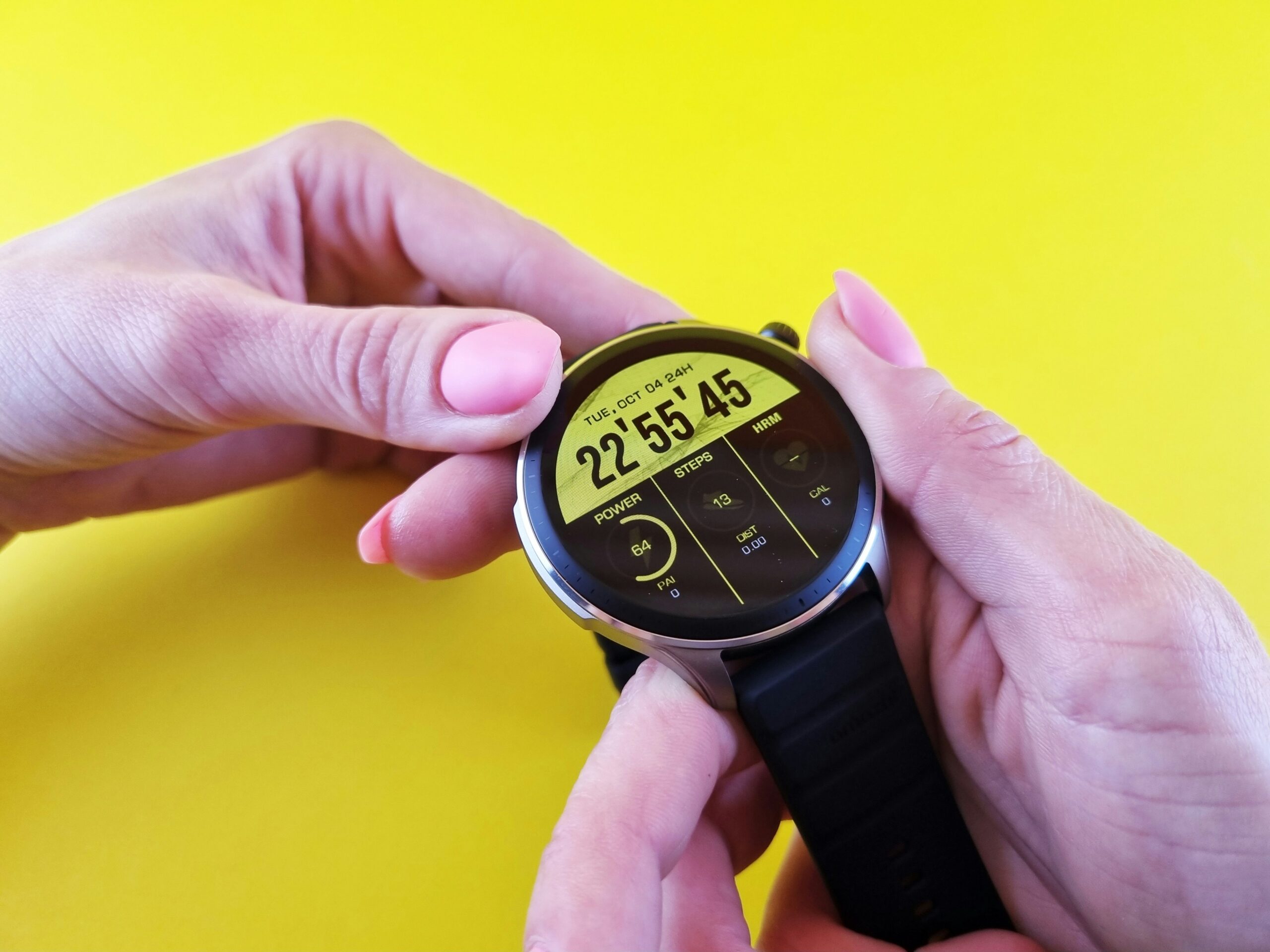
In the mid-2020s, a quiet revolution in personal technology reached its logical, transformative conclusion. The disparate streams of data from our wearables, financial apps, and smart home devices began to converge, creating a unified dashboard for human existence. No longer are we merely tracking steps or checking bank balances in isolation. By 2026, the vanguard of professionals and lifestyle optimizers are leveraging an integrated, tech-enabled ecosystem to build something far more profound: a holistic framework for living that seamlessly bridges physical vitality, financial autonomy, and mental clarity. This isn’t just about productivity hacks; it’s about architecting a life where technology serves foundational human goals, freeing cognitive bandwidth for what truly matters.

The Foundation: From Quantified Self to Quantified Life
The journey begins where it did for many: on the wrist. But the advanced biometric wearables of 2026 are a far cry from the step-counters of a decade prior. Today’s devices, like the latest Oura Ring or Garmin Epix Pro, function as continuous health monitors, tracking heart rate variability (HRV), nocturnal core temperature, and even continuous glucose monitoring through non-invasive sensors. This data is no longer a passive log; it’s an active feedback loop. An executive might receive a notification from her AI health coach that a rising resting heart rate and poor sleep readiness correlate with a week of intense financial market volatility, prompting a prescribed meditation session via an app like Calm or Headspace before a critical portfolio review.
This physiological data becomes the first layer of a personal operating system. “We’ve moved beyond simple fitness metrics,” explains Dr. Anya Sharma, a behavioral scientist at the Stanford Lifestyle Medicine Center. “The real power is in the intersection of biometric and behavioral data. When your financial stress manifests in your sleep data, and your sleep deprivation impairs your decision-making on a tax-optimized investment platform, you see the direct, circular cost of a non-integrated life. The technology now exists to break that cycle.”
The Capital Layer: Automating Financial Health
If biometrics are the pulse, financial infrastructure is the skeleton. The true liberation in a tech-enabled lifestyle comes from the near-total automation of prudent capital allocation. In 2026, this is powered by a suite of sophisticated, interconnected tools.
Robo-Advisors with a Human Touch
The evolution of automated investment management services has been decisive. Platforms like Betterment and Wealthfront now offer deeply personalized “life-path” portfolios that dynamically adjust not just based on market conditions, but life events synced from your calendar and health data. A planned sabbatical detected from your email or a positive biomarker trend indicating reduced stress can trigger a gradual, automated shift in asset allocation. The role of the human certified financial planner has thus evolved from portfolio manager to behavioral coach and strategist for complex estate planning.
The Silent Banker: Autonomous Finance Operations
The mundane has been completely eradicated. Apps like Rocket Money and Copilot act as autonomous financial controllers. They negotiate bills, optimize subscription services, execute tax-loss harvesting in real-time across linked brokerage accounts, and even manage cash flow to maximize rewards from premium credit cards like the Chase Sapphire Reserve or American Express Platinum. Your role is merely to approve major strategic shifts. This silent, efficient management of personal finance operations eliminates the “financial admin” that once consumed hours monthly, directly contributing to mental bandwidth and reducing anxiety.
The Integration: Where Data Streams Converge for Decision-Making
The magic—and the competitive advantage of a holistic lifestyle—happens at the integration layer. This is where specialized platforms and custom low-code automation tools like enhanced Zapier or Make.com workflows create powerful synergies.
Consider a practical example: A freelance consultant uses a Whoop band to track strain and recovery. A custom automation detects a period of “green recovery” (high readiness) and automatically blocks his calendar for deep work sessions using Clockwise or Reclaim.ai. During these sessions, a focus app like Freedom limits distractions. The high-output work completed allows him to invoice clients faster via QuickBooks. The subsequent income spike is automatically analyzed by his automated investment management service, allocating a percentage to a designated “sabbatical fund” in a high-yield savings account at Marcus by Goldman Sachs, while also increasing his monthly contribution to his SEP IRA. His health data informed a financial action that funds a life goal.
“The modern high-net-worth individual isn’t just looking for a stock tip,” says Michael Chen, a partner at a boutique concierge wealth management firm in San Francisco. “They are seeking a life management system. Our service now includes integrating client-approved health data with their financial dashboard. If we see a trend of declining sleep scores, we might proactively schedule a call to discuss delaying a high-risk angel investment. We’re managing human capital as much as financial capital.”
Curating Your Ecosystem: A Practical Framework for 2026
Building this integrated life requires intentional curation, not just adoption of every new app. The goal is interoperability and reducing friction.
- Audit for Synergy: Every tool must serve multiple pillars (health, wealth, time). Does your premium rewards card offer lounge access that reduces travel stress (health) and points that transfer to your investment platform? Does your bespoke travel operator build in recovery days for high-performance clients?
- Prioritize Open APIs: Choose services that allow data to flow securely between platforms. A closed ecosystem is a dead end for holistic planning.
- Implement a Central Dashboard: Use a tool like Notion or a customized Apple Watch Ultra face to display key metrics from all domains: daily HRV, net worth trajectory, and priority tasks. This creates a single source of truth.
- Schedule Quarterly Life Reviews: Manually review the correlations. Has increased investment in premium fitness recovery services (like cryotherapy or Hyperice massage) correlated with higher decision-making confidence logged in your journaling app?
The Ethical Horizon: Autonomy, Privacy, and the Human Element
This data-dense life raises critical questions. The convenience of a comprehensive digital estate plan hosted on a platform like Trust & Will is undeniable, but it requires entrusting immense personal data to intermediaries. The industry’s focus in 2026 is on zero-knowledge proofs and decentralized identity, allowing platforms to leverage insights without holding raw, identifiable data. The relationship with a certified financial planner or a concierge travel service becomes one of trusted stewardship of both your assets and your data.
Ultimately, the goal of this tech-enabled framework is not to create a life lived by algorithm, but to use algorithms to carve out more space for authentic human experience. By automating the measurable and the mundane, we reserve our finite cognitive resources for creativity, connection, and the irreplaceable moments of joy that no device can quantify.
Conclusion: The Liberation of Integrated Systems
The narrative of personal technology has evolved from novelty to utility, and now, to liberation. The holistic, tech-enabled lifestyle of 2026 is not defined by the gadgets one owns, but by the seamless, intelligent flow of information between the domains of well-being. It represents a mature understanding that financial freedom is undermined by poor health, and physical fitness is strained by financial anxiety. By building an integrated personal system—where biometric feedback can influence financial decisions and financial automation buys back time for health—we graduate from being mere users of technology to architects of our own sustained vitality and independence. The future belongs not to those who track everything, but to those who connect everything, forging a path to a life that is not just efficient, but truly enriched.
Photo Credits
Photo by Andrey Matveev on Unsplash
- The Quantified Self Revolution: How Personal Health Data is Slashing Costs and Transforming Care in 2026 – 18/03/2026
- The Convergence of Capital and Care: A 2026 Guide to Optimized Health Spending – 18/03/2026
- The Quantified Self-Policy: How Wearable Health Data is Reshaping Insurance Premiums and Coverage in 2026 – 18/03/2026

Leave a Reply