From Fitness Tracking to Financial Forecasting: The Data Ecosystem of 2026
The landscape of self-tracking has moved far beyond step counts. Today’s ecosystem is a multi-layered infrastructure capturing a holistic view of an individual’s health capital.

The Hardware: Clinical-Grade Data at Consumer Scale
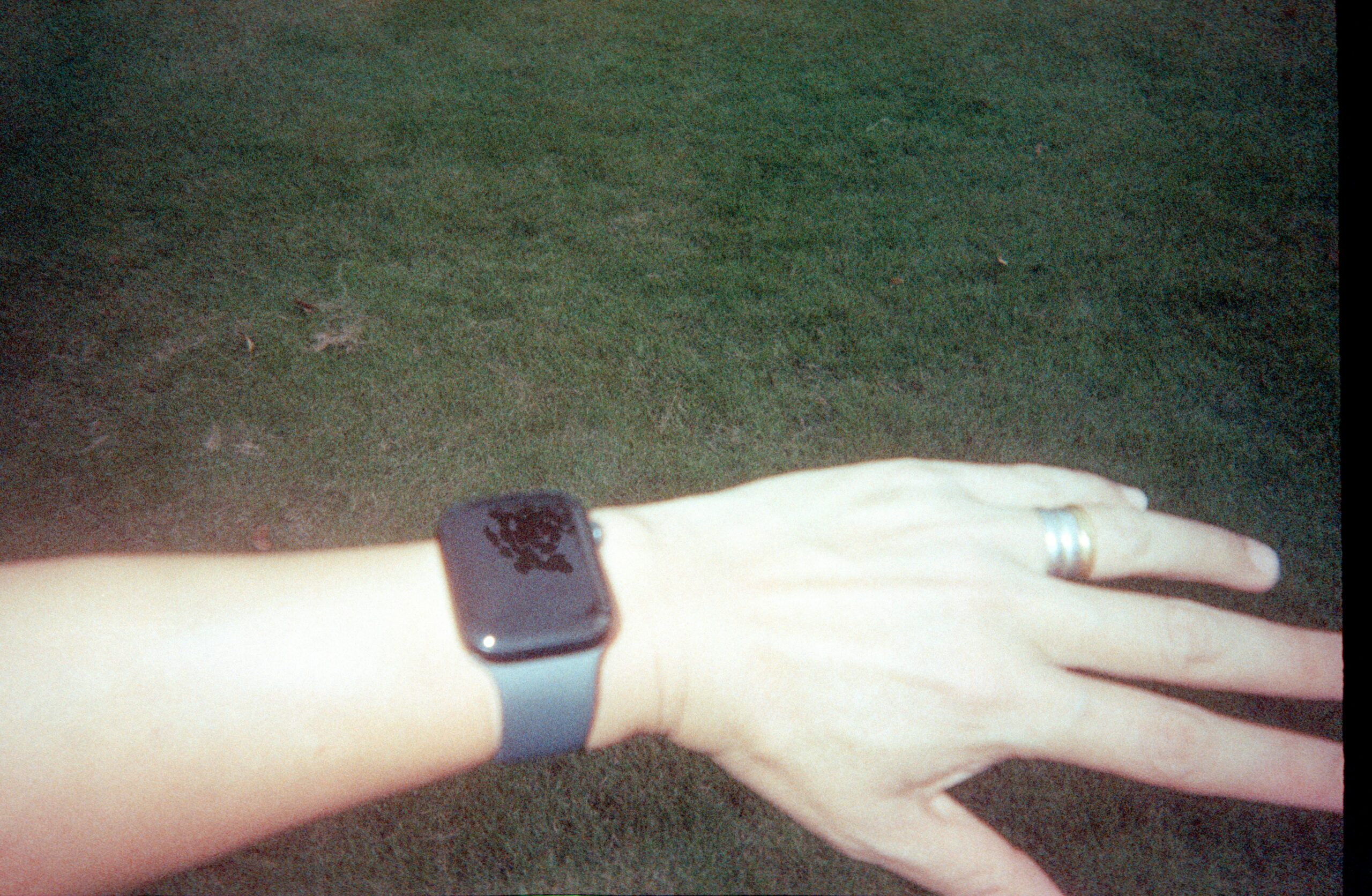
Wearables have undergone a quiet revolution. The latest generation of FDA-cleared smartwatches and rings don’t just estimate; they measure. Continuous, medical-grade ECG, blood pressure monitoring, and glucose tracking (via non-invasive optical sensors) provide longitudinal datasets previously only available in hospital settings. Implantable and ingestible micro-sensors, once sci-fi, are now offered by preventive health clinics and concierge medical services for high-risk patients, transmitting real-time core biometrics to secure clouds.
The Software: AI as Your Personal Health Actuary
The Direct Line to Cost Reduction: Three Proven Pathways
The financial impact of this deep self-knowledge manifests through several clear, evidence-backed channels.
1. Prevention and Early Intervention: The Highest-Value Target
2. Optimizing Chronic Disease Management
For the nearly half of Americans living with a chronic condition, daily data is transformative. Diabetics using continuous glucose monitors (CGMs) coupled with AI coaches maintain tighter glycemic control, reducing the risk of expensive complications like neuropathy or retinopathy. Heart failure patients, like Robert, use connected scales and vitals monitors to manage fluid status, directly reducing readmission rates—a critical metric now tied to significant insurance penalties and bundled payments for specialized chronic care management programs.
3. Enhancing Diagnostic Precision and Reducing Waste
When you visit a physician in 2026, you don’t arrive with subjective complaints alone; you bring three months of quantified trends. This shifts the diagnostic process from hypothesis-driven testing to hypothesis-confirming evaluation. Instead of a costly, fishing-expedition-style battery of tests, a doctor can review your personal data, see a clear pattern of nocturnal hypertension, and order a targeted sleep study. This precision reduces unnecessary imaging, lab work, and specialist referrals, trimming thousands from annual per-patient expenditure.
Navigating the New Marketplace: Services for the Data-Enabled Patient
This revolution has spawned an entire ancillary economy of services designed to help individuals capitalize on their data. The savvy consumer is now looking for more than a device; they seek a cohesive strategy.
- Quantified Self Health Consultants: A new breed of professional, often with backgrounds in nursing, data science, or exercise physiology, helps individuals choose the right tech stack, interpret complex data streams, and create actionable health protocols. They serve as translators between raw data and clinical action.
- Integrated Insurance Premiums: Leading health insurance providers and wellness-focused financial advisors now offer premium discounts or Health Savings Account (HSA) contributions for verified participation in data-sharing wellness programs. Your data becomes a form of currency, proving lower risk and earning financial rewards.
- Bespoke Wellness Platforms: For high-net-worth individuals, the market has seen a rise in comprehensive executive health and longevity platforms. These services aggregate data from multiple sources (wearables, advanced lab tests, genomic profiles) into a single, physician-supervised dashboard, creating a dynamic, continuously updated health plan focused on peak performance and preemptive care.
The Inevitable Challenges: Privacy, Equity, and Data Fatigue
The 2030 Outlook: A Truly Personalized, Proactive Health Economy
The ultimate conclusion is that in 2026, the most important device in healthcare is not in a hospital; it’s on your wrist, in your home, and woven into your daily life. The systematic tracking of health metrics has matured from a pursuit of self-knowledge into a powerful instrument of financial and medical agency. By transforming our bodies from black boxes into open, intelligible systems, we are not just optimizing our wellness; we are fundamentally rewriting the cost-benefit analysis of healthcare itself, one data point at a time.
Photo Credits
Photo by DL314 Lin on Unsplash
- The Quantified Self Revolution: How Personal Health Data is Slashing Costs and Transforming Care in 2026 – 18/03/2026
- The Convergence of Capital and Care: A 2026 Guide to Optimized Health Spending – 18/03/2026
- The Quantified Self-Policy: How Wearable Health Data is Reshaping Insurance Premiums and Coverage in 2026 – 18/03/2026

Leave a Reply