In a quiet suburb of Austin, 58-year-old Michael Chen averted what his cardiologist called a “near-certain” $150,000 cardiac event. The warning didn’t come during his annual physical, but from a sleek, FDA-cleared smart ring he’s worn for two years. Its algorithm, tracking subtle shifts in his nocturnal heart rate variability and resting pulse, flagged a concerning pattern of autonomic nervous system strain. Coupled with data from his continuous glucose monitor, it painted a clear picture of escalating metabolic stress. Armed with this longitudinal data, Chen and his doctor adjusted his medication and lifestyle weeks before a crisis could occur. His story is no longer an outlier; it’s the vanguard of a healthcare revolution where individuals, equipped with consumer-grade technology, are becoming the primary architects of their health and the most effective agents in reducing runaway medical costs.

From Fitness Tracking to Financial Forecasting: The Evolution of Quantified Self
The “Quantified Self” movement, once the domain of Silicon Valley biohackers obsessively logging their morning cortisol levels, has matured into a mainstream pillar of proactive healthcare. By 2026, it has transcended step counts and sleep scores to become a sophisticated ecosystem of predictive analytics and personalized intervention. The driving force is no longer mere curiosity but a potent combination of economic necessity and technological capability. With U.S. healthcare expenditures continuing their unsustainable climb, individuals and employers alike are leveraging this data not just to live better, but to spend smarter, shifting the focus from expensive sick-care to affordable, data-informed well-care.
The 2026 Tech Arsenal: Beyond the Basic Wearable
The toolkit of the modern data-driven patient is remarkably advanced. We’ve moved far beyond the wrist.
- Continuous, Clinical-Grade Biomarker Monitoring: Discreet, implantable or long-term wearable sensors now provide real-time streams for glucose, ketones, lactate, and core body temperature. Companies like Nova Biosensors and Abbott Libre have expanded their panels, offering subscription-based insights that rival traditional lab tests.
- AI-Powered Health Navigation Platforms: Standalone apps have given way to integrated platforms. Services like Function Health and Biostack aggregate data from wearables, direct-to-consumer lab tests, and genetic profiles, using machine learning to identify patterns and suggest actionable, personalized protocols—often in partnership with a user’s primary care provider.
- At-Home Diagnostic “Pods”: Compact, connected devices for the home can now perform guided urine analysis, basic blood chemistry via micro-sampling, and even molecular PCR tests for pathogens, transmitting results directly to telehealth providers for immediate consultation.
The Direct Link to Medical Cost Reduction: A Data-Driven Breakdown
The capital allocation toward these technologies is yielding a demonstrable return on investment for consumers and insurers. The savings mechanism operates on three key fronts.
1. Prevention and Early Detection: The High-Value Interception
The most significant savings come from avoiding catastrophic, high-cost medical events. Continuous data creates a baseline of “normal” for an individual, making deviations glaringly obvious. For instance, a smartwatch with advanced ECG capabilities can detect atrial fibrillation episodes long before they cause a stroke. The cost of the device and its associated specialist telehealth subscription is a fraction of the $100,000+ bill for stroke rehabilitation. Similarly, trends in blood pressure data from a wireless connected cuff can prompt timely medication adjustments, preventing a hypertensive crisis that leads to an ER visit.
2. Optimizing Chronic Disease Management
For the millions managing conditions like Type 2 diabetes or hypertension, quantified self tech is a game-changer. A continuous glucose monitor (CGM) provides immediate feedback on how food, exercise, and stress affect blood sugar, empowering users to make precise adjustments. This data-driven management leads to fewer complications, reduced medication needs over time, and far fewer costly specialist visits. Insurers like UnitedHealthcare and CVS Health now actively subsidize these devices for pre-diabetic and diabetic members, recognizing the long-term savings.
3. Enhancing Diagnostic Efficiency and Reducing “Doctor Guesswork”
Walking into a doctor’s office with six months of granular data transforms a 15-minute appointment. Instead of relying on a patient’s memory or a single-point-in-time test, physicians can review trends. This leads to faster, more accurate diagnoses, reducing the need for repetitive, expensive diagnostic odysseys. “When a patient presents with fatigue and shows me a year of declining heart rate variability and sleep disruption, we can bypass several layers of testing and target the autonomic nervous system or sleep architecture directly,” explains Dr. Anya Sharma, a pioneer in data-integrated internal medicine. This efficiency saves on redundant lab work and imaging studies.
Navigating the New Landscape: Choosing the Right Tools and Services
With a market flooded by options, savvy consumers must make strategic choices. Not all data is created equal, and not all platforms provide actionable insight.
What are the most reliable health tracking platforms for chronic condition management?
Look for platforms that prioritize clinical validation and healthcare provider integration. Levels and Signos, for CGM-based metabolic health, have built robust ecosystems with dietitian and coach access. For cardiovascular and broad-spectrum health, Whoop and Oura Ring have evolved into comprehensive stress and recovery management systems used by leading concierge medical practices. The key is to select a platform whose output you and your doctor understand and can act upon.
How to integrate self-tracked data with professional medical care?
The bridge between personal data and professional care is critical. Seek out primary care providers who offer “data-review” consultations, either in-person or via dedicated telehealth slots. Many top-tier concierge medicine groups now include data aggregation and analysis as a core service. Before an appointment, use your platform’s report-generating function to create a concise, one-page summary of relevant trends and anomalies—think of it as a health dashboard for your physician.
The Future and the Caveats: Privacy, Parity, and the Human Element
As we advance, significant challenges remain. Data privacy is paramount; consumers must scrutinize the data ownership and sharing policies of any platform. There’s also a risk of “health data anxiety,” where constant monitoring breeds undue stress. The technology is a tool for empowerment, not a source of obsession.
Furthermore, the “digital divide” in healthcare is real. Ensuring equitable access to these cost-saving technologies is a societal imperative to prevent a future where only the wealthy can afford to prevent disease. Policymakers and insurers must work to include proven devices and platforms in covered benefits.
Conclusion: The Empowered, Economical Patient of Tomorrow
The narrative of healthcare in 2026 is shifting from passive patient to active health steward. The quantified self, once a niche pursuit, has emerged as a powerful economic and clinical instrument. By transforming our bodies from black boxes into transparent, data-generating systems, we are not only unlocking profound insights into our own well-being but also applying direct pressure to one of the most intractable economic problems of our time: exorbitant medical costs. The future belongs to those who leverage their data, partner intelligently with their healthcare providers, and take ownership of their health trajectory—not just for a longer life, but for a more financially sustainable one.
Photo Credits
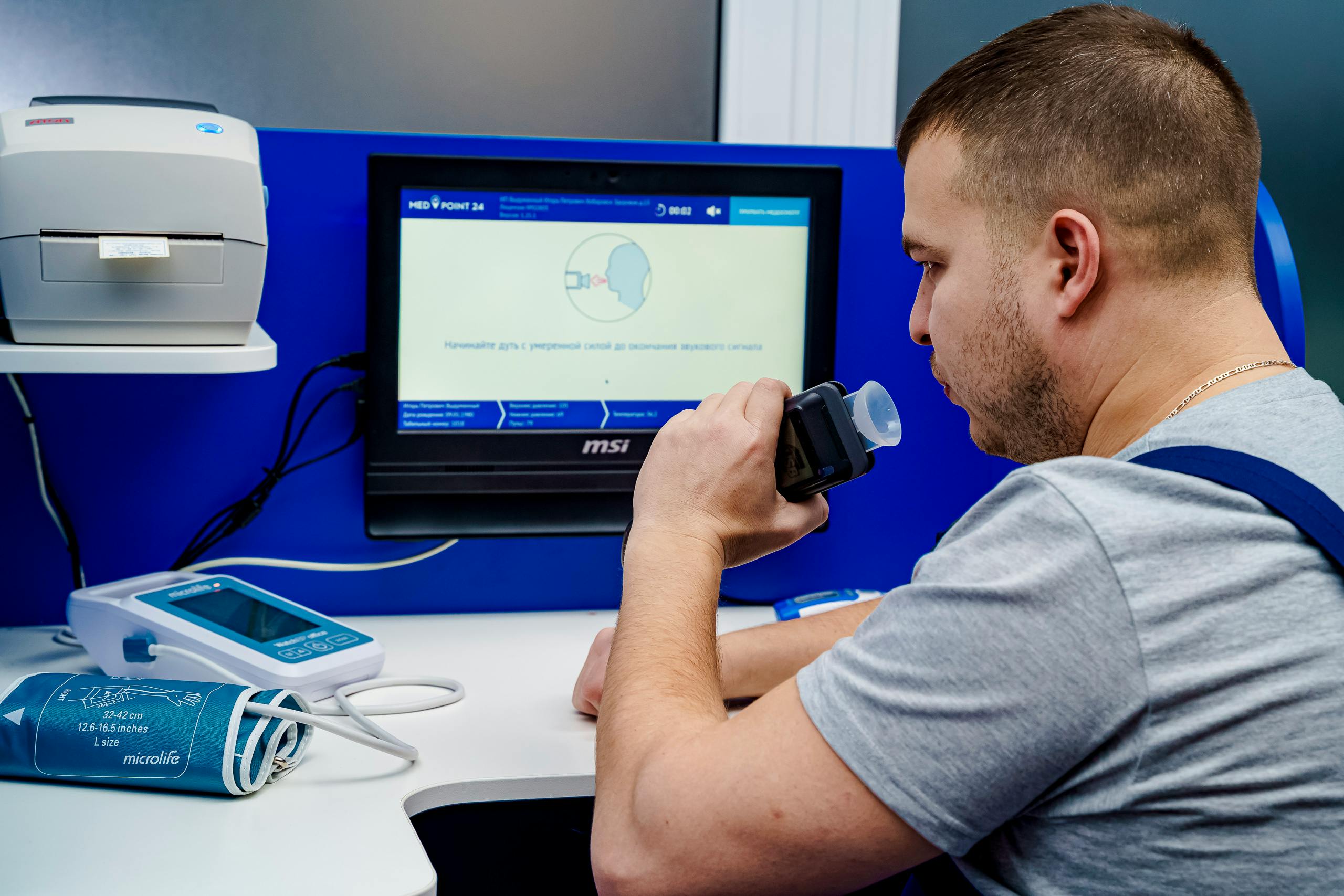
Photo by MedPoint 24 on Pexels
- The Quantified Self Revolution: How Personal Health Data is Slashing Costs and Transforming Care in 2026 – 18/03/2026
- The Convergence of Capital and Care: A 2026 Guide to Optimized Health Spending – 18/03/2026
- The Quantified Self-Policy: How Wearable Health Data is Reshaping Insurance Premiums and Coverage in 2026 – 18/03/2026

Leave a Reply